Golf is a sport of precision and technique, but injuries can disrupt your game and make swinging a club a painful experience. Whether it’s a sudden injury or the result of repetitive strain, the right care can get you back on the course.
At MyPhysio Physical Therapy & Golf Performance in Mansfield, TX, we specialize in post-injury golf rehabilitation. Our goal is to help you recover, regain strength, and return to the game stronger than ever.
Also Read
Structuring your workouts around golfFact or Fiction - Discussing Golf Fitness Myths
"Okay, NOW I'm Tired!" - Learning how to use Reps in Reserve
Lift weights for my golfer's elbow?
What!?I've Got A Meniscus Tear... Now What?
You don't need a 6 pack to play golf...
Common Golf Injuries and Their Impact
The physical demands of golf often lead to specific injuries that can hinder performance and cause ongoing discomfort. Common golf-related injuries include:
- Lower Back Pain: Often caused by poor swing mechanics or weak core muscles.
- Golfer’s Elbow: Strain on the tendons in the forearm due to repetitive gripping and swinging.
- Shoulder Injuries: Such as rotator cuff tears or impingements from repetitive motion.
- Hip Pain: Stemming from rotational stress during the swing.
- Knee Strain: Caused by stabilizing during weight transfer or bending during play.
These injuries can disrupt your game and daily life if not properly addressed.
How MyPhysio Helps Golfers Recover
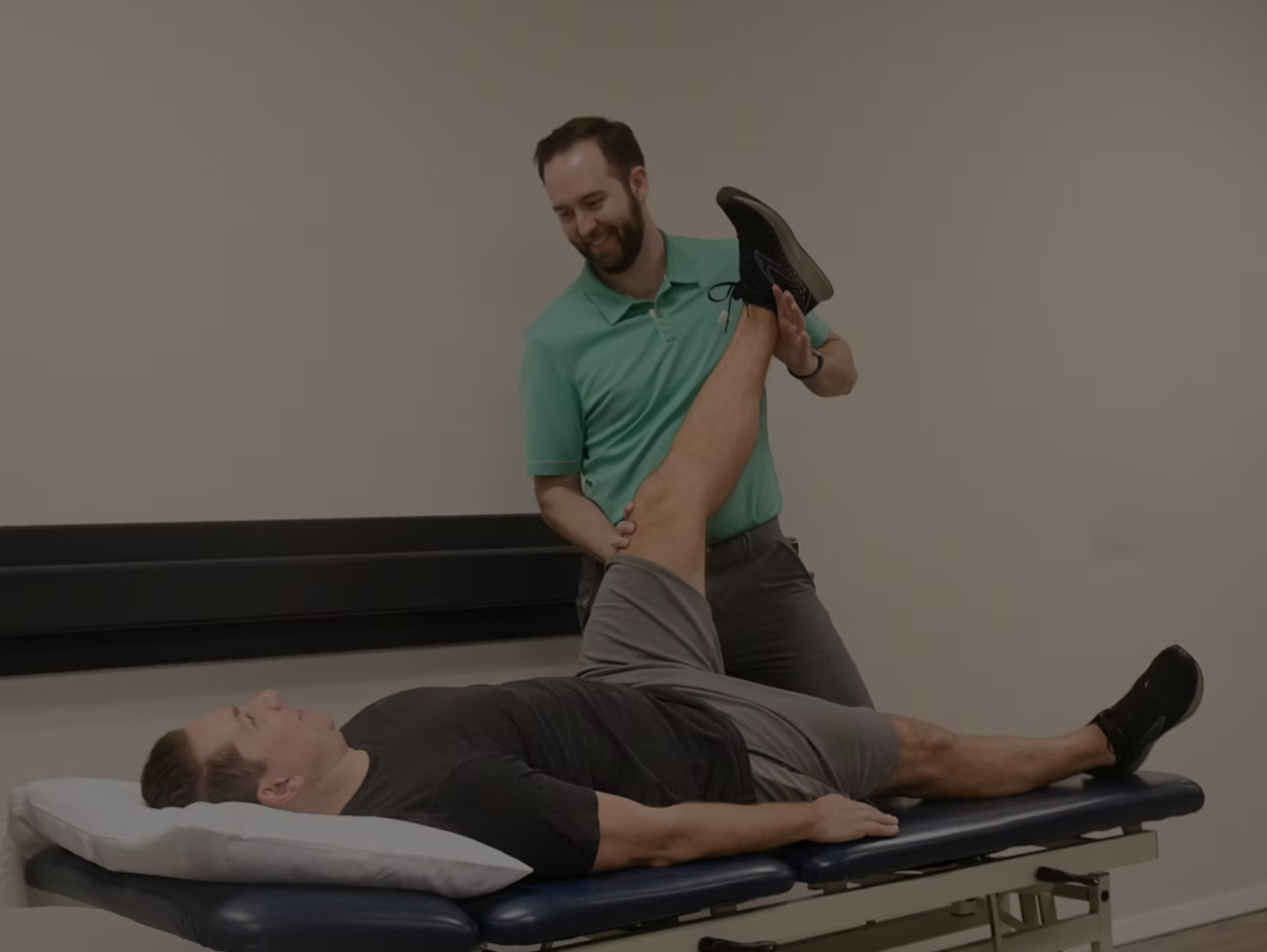
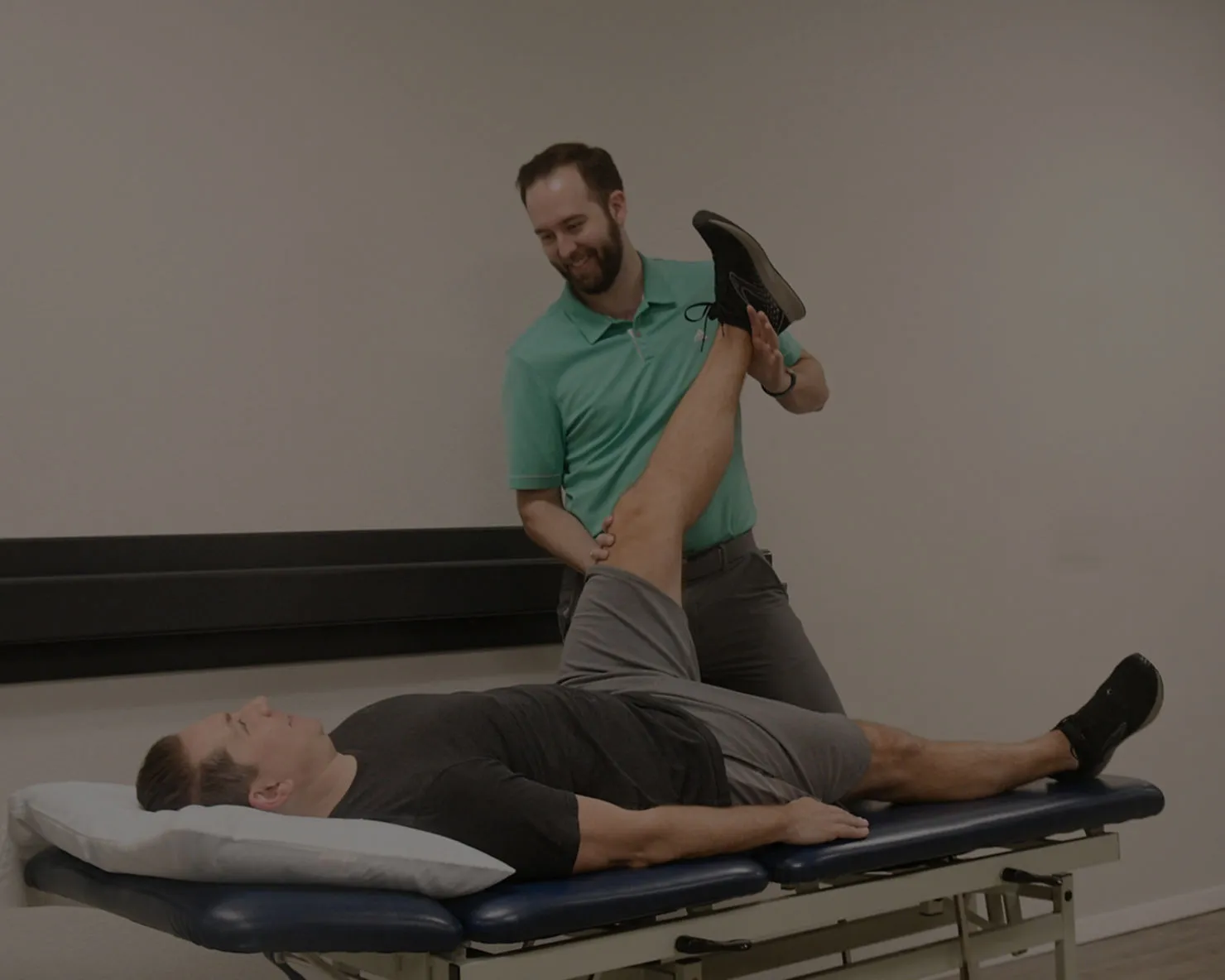
At MyPhysio, we understand the unique demands of golf and tailor our rehabilitation programs to meet your needs. Our process includes:
1. Comprehensive Injury Evaluations
We begin with a thorough assessment of your injury, movement patterns, and swing mechanics. Understanding the root cause of your pain helps us create a targeted rehabilitation plan.
2. Pain Management and Early Recovery
The initial stages of rehabilitation focus on reducing pain and inflammation. Techniques such as manual therapy, soft tissue mobilization, and therapeutic modalities help create a foundation for recovery.
3. Restoring Mobility and Flexibility
Injuries often lead to stiffness and restricted movement. Therapy includes stretching exercises, joint mobilizations, and dynamic flexibility training to restore full range of motion.
4. Rebuilding Strength and Stability
Strength is crucial for returning to the course without reinjury. We design exercises to rebuild key areas such as:
- Core Stability: To support rotational movement and reduce back strain.
- Lower Body Strength: To improve balance and power during weight transfer.
- Shoulder Stability: To support controlled, pain-free swings.
5. Gradual Return to Golf-Specific MovementsAs you progress, therapy transitions to golf-specific exercises that simulate the movements required on the course. This ensures a safe and confident return to play.
The Role of Swing Mechanics in Recovery
Poor swing mechanics often contribute to injuries. Our therapists use Titleist Performance Institute (TPI) assessments to analyze your swing and identify biomechanical inefficiencies. By refining your technique, we help prevent future injuries and improve overall performance.
Benefits of Post-Injury Golf Rehabilitation
Choosing golf-specific rehabilitation offers several advantages:
- Pain Relief: Alleviate discomfort caused by injury or overuse.
- Improved Mobility: Restore range of motion for a more fluid swing.
- Enhanced Strength: Rebuild resilience to reduce the risk of reinjury.
- Better Swing Mechanics: Optimize technique for consistent, powerful swings.
- Confidence on the Course: Return to play with reduced fear of reinjury.
Why Choose MyPhysio in Mansfield?
At MyPhysio Physical Therapy & Golf Performance, we’re passionate about helping golfers recover and thrive. Located in Mansfield, TX, our team combines expertise in physical therapy with a deep understanding of golf performance. Whether you’re recovering from an injury or looking to prevent one, we provide the care and guidance you need to succeed.
Frequently Asked Questions (FAQs)
1. How long does it take to recover from a golf-related injury? Recovery times vary depending on the severity of the injury and your commitment to therapy. Most golfers see significant improvement within 6–12 weeks.
2. Can I continue playing golf during rehabilitation? In many cases, modifications can allow you to practice safely. Your therapist will guide you on what’s appropriate during recovery.
3. Do you offer TPI assessments as part of rehabilitation? Yes, we use Titleist Performance Institute assessments to analyze swing mechanics and incorporate corrections into your rehabilitation plan.
4. How can I prevent future golf injuries? Strengthening key areas, improving flexibility, and refining swing mechanics are essential for injury prevention. We also recommend proper warm-ups and recovery routines. Check out this blog article for more information: 5 Tips to Avoid Golf Injuries from a Physical Therapist